
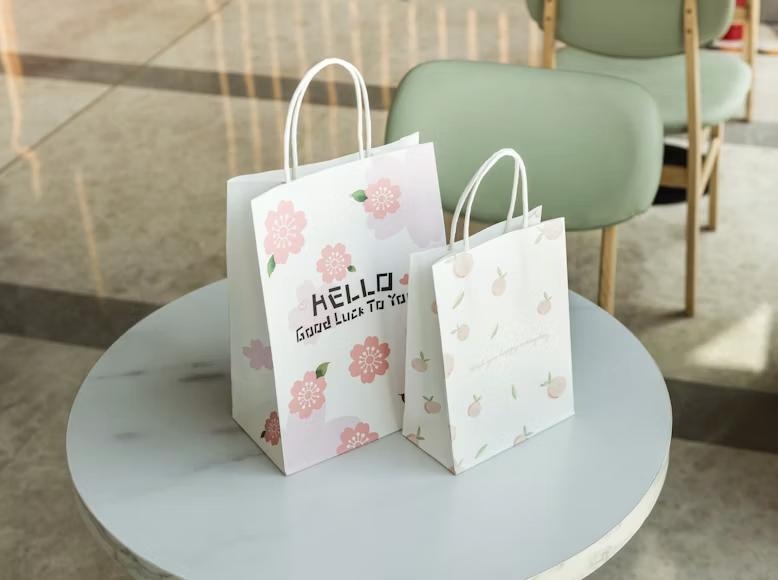
The right carrier bag can improve branding, customer experience, and packaging efficiency at the same time. From choosing materials to understanding UK regulations, businesses need practical packaging solutions that balance cost, presentation, and sustainability. This guide explains everything retailers should know before ordering custom printed carrier bags for long-term business value.
Modern packaging does more than carry products. Professionally designed printed carrier bags help businesses improve brand visibility while creating a stronger customer experience. Every bag leaving a shop becomes part of the company’s public image. Retailers, food businesses, boutiques, and event organisers all use printed bags to reinforce branding. A durable and attractive bag often leaves a more lasting impression than many traditional advertising methods.
Customers also pay closer attention to packaging quality today. Poor-quality bags can affect brand perception, while premium packaging can increase trust and professionalism.
Choosing the Right Material for Your Business
The material used for a carrier bag affects durability, appearance, sustainability, and printing quality. Businesses should choose materials based on how the bags will be used.
Paper bags remain one of the most popular options in the UK. They offer a clean appearance, excellent print quality, and recyclable benefits. Kraft paper bags are especially common because they combine strength with a natural finish.
Plastic carrier bags are still widely used for heavier products and takeaway services. Their durability and water resistance make them practical for certain industries. However, businesses must ensure they follow UK environmental guidelines when using plastic packaging.
Reusable fabric bags continue to grow in popularity. Cotton, canvas, and non-woven bags are often selected for premium retail packaging and promotional campaigns. These bags usually remain in circulation longer, giving brands repeated exposure.
Why Minimum Orders Vary Between Suppliers
Minimum order quantities often depend on the bag type, printing method, and level of customisation required. Businesses sometimes assume they must place very large orders, but many suppliers now offer flexible options.
Digital printing is commonly used for smaller quantities. It works well for startups, seasonal promotions, and limited campaigns because setup costs are lower. This allows businesses to test packaging designs without committing to high volumes. Larger production methods usually require higher minimum orders. However, bulk ordering often reduces the price per bag significantly. This makes larger orders more cost-effective for businesses with ongoing packaging needs.
Storage space should also be considered before placing large orders. Ordering excessive quantities may create unnecessary storage and inventory problems.
Print Quality Can Shape Brand Perception
Printing quality plays a major role in how customers view a business. Clear branding and professional design can make packaging feel more premium and trustworthy.
Digital printing offers flexibility and detailed artwork reproduction. It is ideal for colourful designs and smaller production runs. Many businesses prefer this method because of its speed and adaptability.
Flexographic printing is more suitable for larger orders. It works best with bold designs and simple colour layouts. This method is widely used for high-volume packaging production. Screen printing is often used for reusable fabric bags. It provides strong colour durability and works well for simple branding styles.
Good design remains essential regardless of the printing method. Businesses should focus on readable fonts, balanced spacing, and clear logos rather than overcrowded layouts.
Understanding UK Packaging Rules and Sustainability
UK packaging regulations continue to evolve as environmental concerns increase. Businesses supplying carrier bags must understand the rules affecting packaging use and waste reduction.
Plastic bag charging regulations apply to many retailers across England. Businesses should also ensure their packaging suppliers follow proper environmental and recycling standards. Sustainability has become a major factor in customer purchasing decisions. Many shoppers now actively prefer businesses that reduce unnecessary packaging waste and offer recyclable or reusable alternatives. Simple improvements can make a significant difference. Choosing recyclable paper, reducing excess packaging, and using reusable bag options all support stronger environmental positioning.
Customers increasingly associate sustainable packaging with responsible business practices. This makes packaging decisions important for both compliance and brand reputation.
What to Look for in a Packaging Supplier
Not all packaging suppliers offer the same level of quality or support. Choosing the right supplier can help businesses avoid production issues and achieve better results.
Reliable suppliers usually provide strong communication, consistent print quality, and flexible order options. Many also assist with artwork preparation and material recommendations.
Before placing a large order, businesses should request samples whenever possible. This helps evaluate print clarity, bag durability, and overall finishing quality.
Lead times are equally important. Delayed packaging deliveries can disrupt operations, particularly for retail businesses managing seasonal demand or promotions.
Smart Packaging Decisions Create Long-Term Value
The right printed carrier bags combine branding, functionality, and sustainability in one practical solution. Businesses that understand materials, printing methods, minimum orders, and UK compliance requirements are better positioned to make cost-effective packaging decisions.
Strong packaging supports customer experience while increasing brand visibility long after products leave the shop. Whether businesses choose recyclable paper bags, reusable fabric options, or durable plastic packaging, thoughtful packaging decisions can strengthen professionalism, improve customer trust, and support long-term business growth.