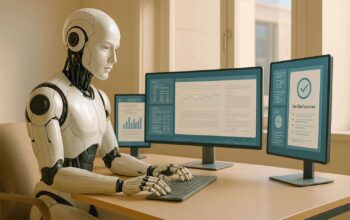
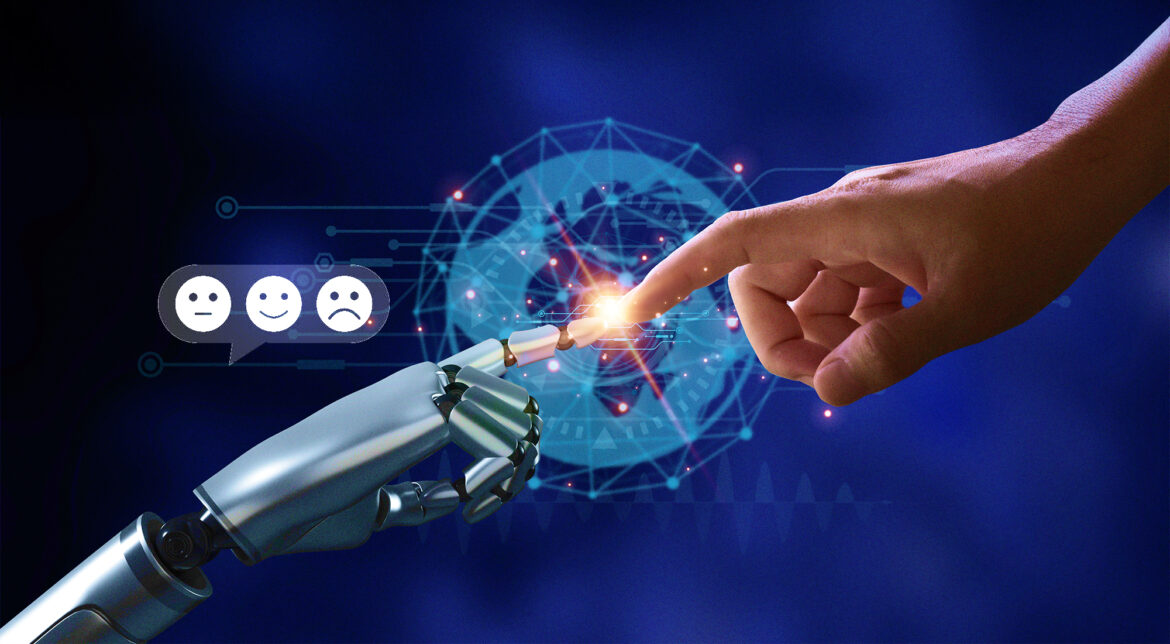
We interact with artificial intelligence every single day. You probably ask voice assistants for the weather, rely on chatbots for customer support, and use smart algorithms to sort your emails. Yet, many of these interactions feel cold, rigid, and distinctly robotic. People crave genuine connection, even when dealing with machines. This growing need brings us to a critical concept: the push to AI humanize.
When you apply an AI humanize approach, you transform standard automated systems into empathetic, conversational partners. You shift the focus from pure computational efficiency to emotional intelligence. This article explores exactly what it means to humanize artificial intelligence and why this transformation matters so much.
We will break down key applications across major industries like healthcare and education. You will discover the direct benefits this technology brings to businesses and everyday individuals. Finally, we will navigate the ethical challenges that come with making machines sound more like us.
What Does It Mean to AI Humanize?
To AI humanize means to design artificial intelligence systems that interact naturally and empathetically with people. Standard AI relies on strict statistical probabilities to generate text or speech. It focuses entirely on delivering the correct facts. Humanized AI goes a step further by focusing on how it delivers those facts.
Developers achieve this by training machine learning models on vast datasets of human conversation. The system learns to recognize emotional cues, adjust its tone, and use conversational phrasing. Instead of giving a flat, dictionary-style answer, a humanized AI responds with warmth. It pauses, uses natural filler words, and mirrors the user’s emotional state.
Ultimately, this process bridges the gap between raw data processing and genuine communication. It makes software feel less like a tool and more like an assistant. You stop feeling like you are typing commands into a terminal and start feeling like you are having a real conversation.
Why You Need to Humanize AI Right Now
People expect more from technology than just raw efficiency. When you reach out to a company with a frustrating problem, a robotic “error recognized” message only makes you angrier. You want to feel heard and understood. The AI humanize movement addresses this exact psychological need.
Authentic communication builds trust. If an automated system communicates aggressively or coldly, users quickly abandon the platform. By infusing empathy into these systems, you keep users engaged and comfortable. They feel safe sharing information and trusting the guidance the system provides.
Furthermore, humanizing your automated systems separates you from the competition. Anyone can set up a basic chatbot. A system that actually connects with users stands out immediately. It turns a mundane task into a pleasant experience, driving long-term loyalty and satisfaction.
Key Applications Transforming Industries
The push to AI humanize reshapes how entire sectors operate. Different industries use this empathetic technology to solve unique challenges and improve lives.
Elevating Customer Service
Customer service relies heavily on emotional intelligence. Frustrated shoppers need empathy, not just a link to a return policy. Humanized AI chatbots analyze a customer’s text to detect frustration or urgency. The bot then softens its language, apologizes for the inconvenience, and offers immediate, tailored solutions. This reduces tension and helps human agents handle fewer escalated complaints.
Enhancing Healthcare Interactions
Healthcare patients often feel scared or overwhelmed. When medical apps use robotic language, they amplify that anxiety. By applying the AI humanize approach, virtual health assistants can check on patients with genuine care. A humanized system might say, “I understand you feel some pain today; let us see how we can help,” instead of simply listing medical facts. This gentle approach encourages patients to follow their treatment plans.
Personalizing Education
Students learn best when they feel supported. Automated tutoring systems historically provided blunt, discouraging corrections. Now, humanized educational AI acts like a supportive teacher. It celebrates small victories and offers gentle corrections when a student makes a mistake. This empathetic feedback loop keeps students motivated and prevents them from giving up on difficult subjects.
Core Benefits for Businesses and Individuals
Integrating humanized artificial intelligence delivers measurable advantages across the board. The impact reaches both large organizations and everyday users.
For businesses, the AI humanize approach drastically improves customer retention. When clients feel respected by your automated systems, they stick around. This technology also boosts brand reputation. You become known for excellent, compassionate service rather than frustrating automated phone menus. Additionally, it frees up your human staff to handle highly complex issues while the AI manages routine tasks gracefully.
Individuals experience significant benefits as well. You get your problems solved faster without the usual frustration of fighting a machine. The technology adapts to your specific needs, making digital interactions feel effortless. Whether you need mental health resources, educational support, or financial guidance, you receive it in a format that respects your emotional state.
Navigating Challenges and Ethical Considerations
While the benefits look incredible, we must address the clear challenges. Making machines sound human introduces complex ethical questions that developers must navigate carefully.
First, we face the issue of deception. If an AI sounds too human, users might genuinely believe they are speaking to a real person. This creates a breach of trust when the user finally realizes the truth. Companies must remain transparent. You should always let users know they are interacting with an AI, even if that AI sounds incredibly empathetic.
Second, bias remains a massive hurdle. AI learns from human data, which contains historical biases and prejudices. If developers do not actively filter this data, the humanized AI might replicate toxic human behaviors. It might speak differently to users based on their dialect or demographics. We must rigorously test these systems to ensure they treat every user with equal respect.
Finally, we must protect data privacy. Empathetic AI encourages users to share highly personal, emotional information. Companies bear a massive responsibility to secure this sensitive data. You must guarantee that users’ personal stories and emotional states never end up in the wrong hands.
Embrace Empathetic Technology Today
The future of technology relies on genuine connection. We no longer have to settle for cold, robotic interactions that leave us feeling frustrated. The push to AI humanize proves that we can combine massive computational power with real emotional intelligence.
Start exploring how this empathetic technology can improve your daily operations. Evaluate your current automated systems and identify areas where a personal touch could make a difference. Implement the AI humanize approach to build stronger connections, boost user satisfaction, and create technology that truly understands us.