
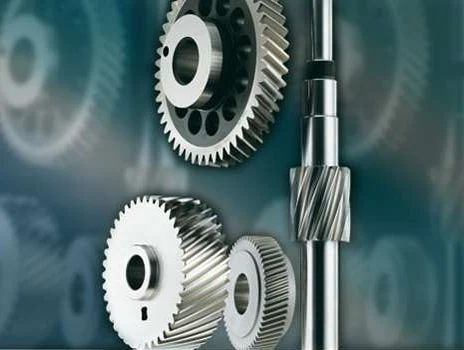
Reliable gear manufacturing depends on accuracy at every stage, from machining to final inspection. Even a small variation in tooth dimensions can affect how components fit and perform when assembled. This is why manufacturers pay close attention to the tools used to produce and inspect gears.
Master gears and rack milling cutters serve different purposes, but both contribute to maintaining quality in gear related production. Understanding their uses can help manufacturers choose suitable tooling for their operations.
Why Master Gears Are Important for Inspection
Master gears are reference components used to check the accuracy and performance of manufactured gears. They help manufacturers assess factors such as tooth contact, alignment and running quality.
Using an appropriate master gear during inspection can help identify variations before components move to the next stage of production. This makes inspection an important part of maintaining consistent quality, especially when gears are produced in larger quantities.
Businesses looking for dependable master gears distributors should consider product accuracy, application suitability and the technical information available. A suitable reference gear needs to match the specifications of the component being inspected.
Understanding Rack Milling Cutters
Gear racks are used in mechanical systems to convert rotary motion into linear motion. They are found in machinery, automation equipment and other applications where controlled movement is required.
Rack milling cutters are designed to machine the tooth profiles of racks. The cutter must match the required tooth geometry and production specifications to achieve the intended result.
Choosing a suitable cutter involves checking the module, pressure angle, tooth profile and material being machined. Machine compatibility and cutting conditions also influence the quality of the finished rack.
What to Look for in a Rack Milling Cutter Company
Selecting a tooling supplier requires attention to both product quality and technical understanding. A reliable rack milling cutter company should be able to provide information that helps manufacturers select cutters according to their actual machining requirements.
Some useful points to consider include:
- Technical suitability: Check whether the cutter matches the required rack profile and dimensions.
- Manufacturing consistency: Reliable tool quality supports repeatable machining results.
- Application knowledge: Understanding different production requirements can make tool selection more straightforward.
- Product information: Clear specifications help buyers compare available options and avoid unsuitable purchases.
- Customer support: Good communication is valuable when selecting tools for specialised applications.
These considerations can help manufacturers make informed decisions and build dependable supplier relationships.
Connecting Tool Selection with Production Quality
The quality of a finished component is influenced by several factors. Suitable tooling, correct machine settings, operator experience and regular inspection all contribute to the result.
For rack production, using the correct milling cutter helps maintain the required tooth shape and dimensions. For gear inspection, an appropriate master gear provides a useful reference for evaluating component accuracy.
A Practical Approach to Better Gear Manufacturing
Good tooling decisions begin with a clear understanding of the application. Before purchasing, manufacturers should review component drawings, machining requirements and inspection specifications. This helps narrow down suitable options and reduces the possibility of choosing tools that do not meet production needs.
Regular tool inspection and proper maintenance are equally important. Monitoring tool condition and checking finished components can help identify issues early and maintain consistent output.
For more information about gear tooling and related solutions, visit SSTools. Reviewing available products alongside your technical requirements can help you make a more informed decision.
Accurate components begin with careful planning and suitable tooling. Giving attention to both machining and inspection helps manufacturers maintain dependable quality throughout their production processes.