With the current rate of changes going on in the fast world in 2026, where the distractions of digital devices have never been greater, parents are asking questions to find analogous ways to make their children more resilient emotionally.
Junior Muay Thai has become the top “Grit Residency” for the new generation. In contrast to conventional team sports, the “Art of Eight Limbs” is a different set of physiological and psychological principles that turn the body movement into a masterpiece of discipline, concentration, and inner force.
The Science of ‘Grit’: Neuroplasticity in the Ring
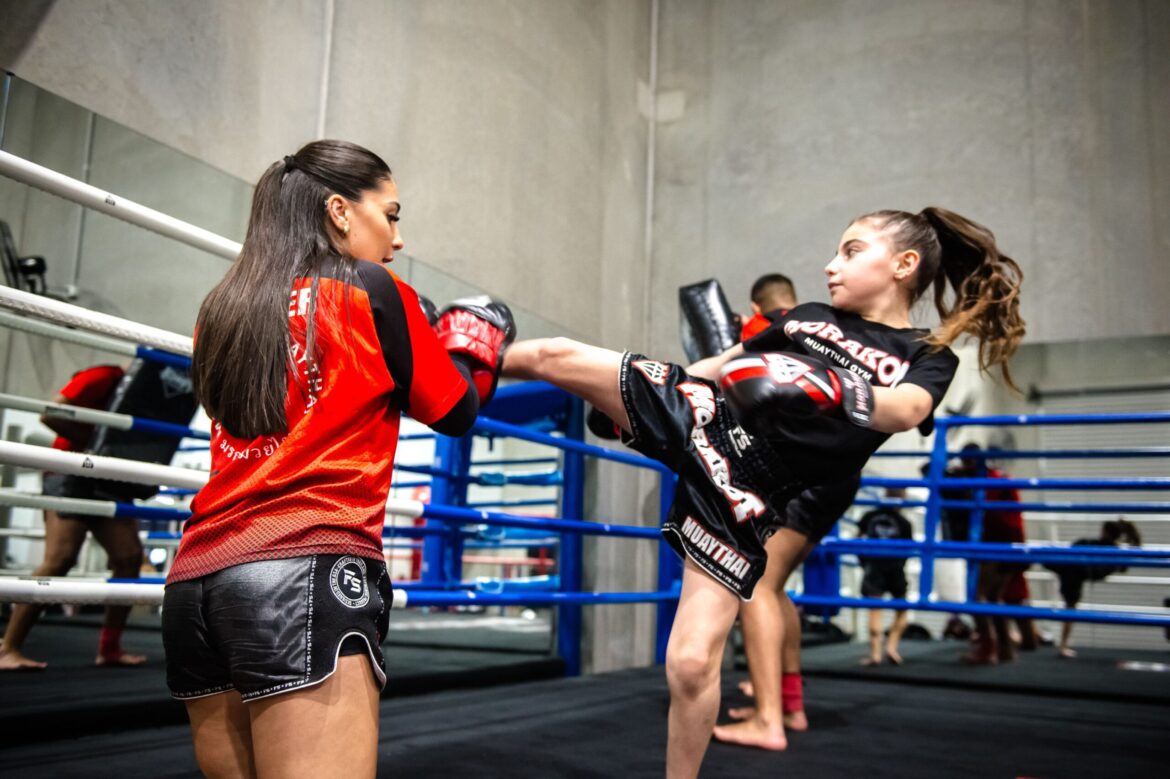
Grit is passion and long-term persistence, and this is a quality that can be developed in a neurobiological approach. When a child participates in the Koh Phangan Muay Thai gym, they are always put in a controlled challenge state. It takes effort to do a complex roundhouse kick or learn to master a defensive clinch, both of which involve failure before achievement.
As this is taking place, this process reinforces the area of the brain that involves impulse control and executive functioning, the prefrontal cortex. Going through the physical requirements of a Thai training camp, children can understand that not being comfortable is a state of mind and that effort is a practicable quality.
Building Discipline Through Ritual and Respect
Muay Thai discipline is not about shouting commands, but the Ritual of Readiness. When a child first steps into a gym (camp), they are inculcated into a culture of extreme respect where they bow in front of the ring, pay respect to their Kru (teacher), and wrap their hands in the most radiant way possible. Such brief routines and repetitions bring about an element of structure and personal responsibility.
Delayed Success- In a world of instant gratification, Muay Thai in Koh Phangan is a lesson in Delayed Success. A child gets to know that he cannot master a technique within a single afternoon. The discipline of being present at the bag every single day, including when they are tired, is transferred into a life-long routine of consistency.
Emotional Regulation: The Calm Within the Storm
Another concept that is the least understood about Junior Muay Thai is its effect on temperament. Although it is a fighting sport, the training has been shown to reduce aggression in the systems because of the safe and organized energy release.
Children train the Emotional Centering through controlled sparring and pad work. They are being trained to remain calm and have composure under pressure.
Physical Literacy: The Foundation of Lifelong Health
In addition to psychological benefits, Junior Muay Thai offers an incomparable level of “Physical Literacy,” the skill of competently moving the body. The sport requires a child to be well coordinated, balanced, and have proprioception in a multi-planar setup.
With the high-intensity workouts of Thai boxing being a health risk in a sedentary lifestyle, cardiovascular health and bone density are developed at key growth periods.
Conclusion
Regarding Junior Muay Thai, taking your child there is not about instilling in them training on how to fight; it is about training them on how to stand tall. With a sense of grit that they need to accomplish the grind and a sense of discipline that they need to accomplish the ritual, you are providing them with a biological toolkit for success. The most significant present the next generation can receive in 2026 will be the power to discover their strength.